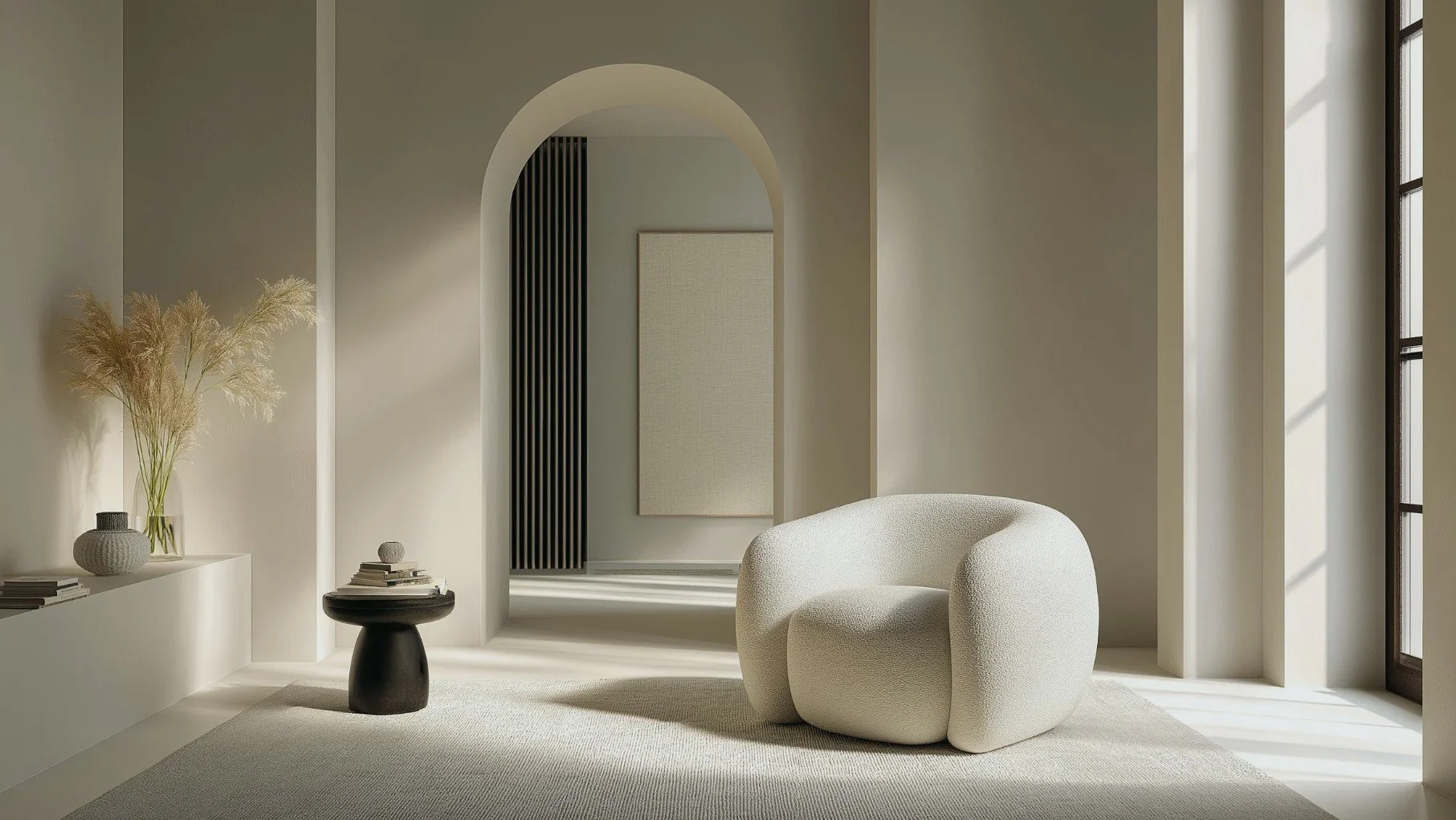
We spend around 90% of our life indoors. Those environments should support our health, not work against it.DFL offers science-based assessment and design for healthier homes, buildings and higher-value real estate.Design for longevity,
01
Healthy
Interior Environments
02
Neuroarchitecture &
Wellbeing Strategy
03
ESG & Healthy Building Advisory
Who I work with.
I identify hidden environmental stressors in homes and buildings and translate wellbeing science into practical design strategies. I work directly with homeowners and alongside selected health, property and design partners.
-
I help clinics, health practitioners and performance teams extend their wellbeing support into the home through evidence-informed environmental assessment and practical design interventions.
-
I help residential developers evaluate how their projects perform in terms of indoor wellbeing through the Residential Wellbeing Index. By identifying hidden environmental stressors such as air quality, noise, lighting, or material emissions, I translate health science into practical design improvements and a clear narrative that strengthens the value and differentiation of a development.
-
I help homeowners identify environmental stressors in their homes and translate wellbeing science into practical design decisions that support better sleep, lower stress, and healthier living.
-
I help organizations improve workplace wellbeing by identifying environmental stressors in offices and translating health science into practical design strategies that support focus, comfort, and productivity.
-
I support architecture and interior design studios in integrating wellbeing principles into their projects through expertise in indoor environmental quality, neuroarchitecture, and human-centered design.
Home Wellbeing Assessment.
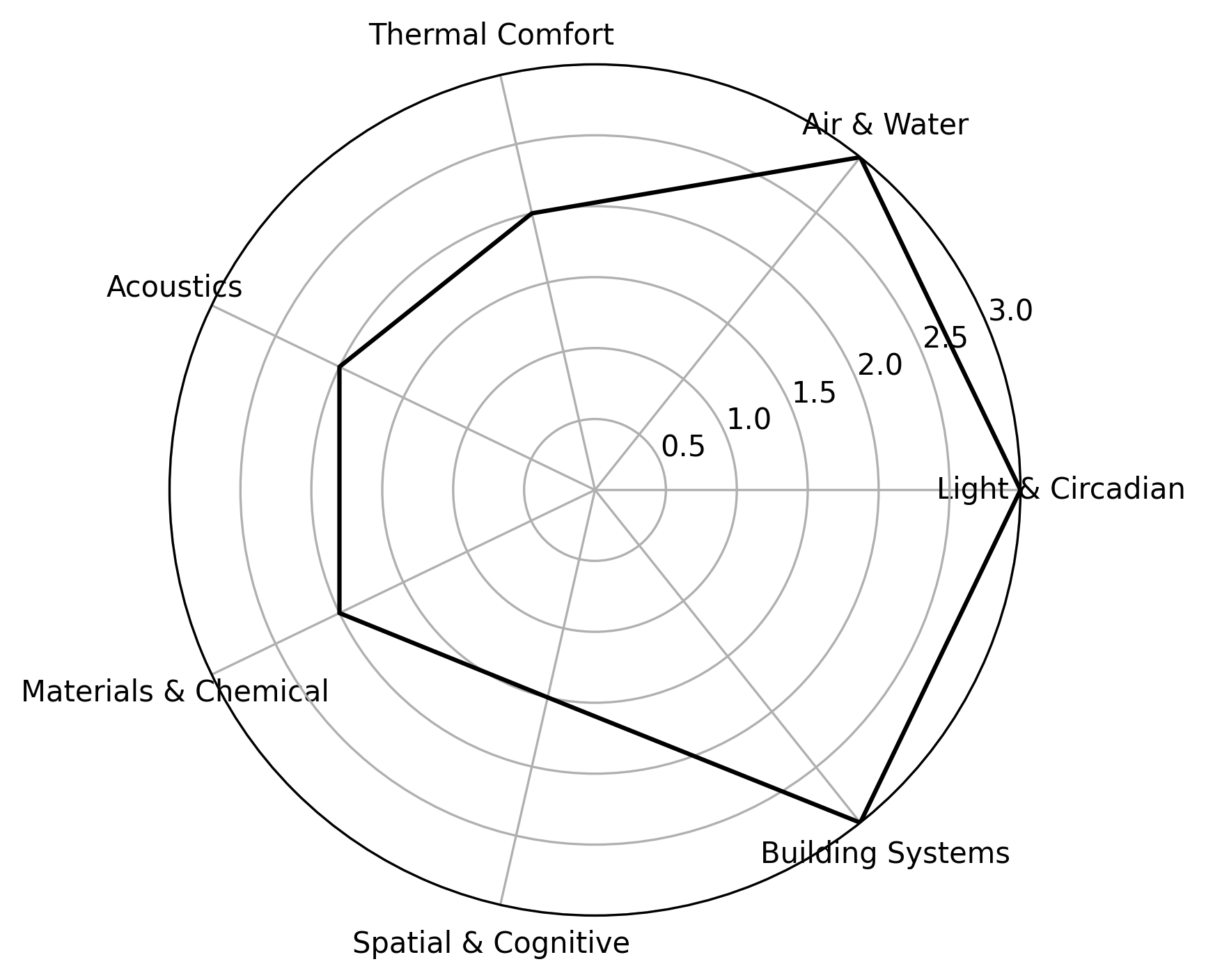
Your home is not a neutral backdrop. The Home Wellbeing Assessment combines environmental measurement with design analysis to identify hidden stressors across air, light, noise, temperature, water, materials and spatial design.
You receive a clear, prioritised report with practical interventions tailored to your home, sleep, recovery and daily wellbeing.
Available directly to homeowners and through partnerships with longevity clinics, health practitioners and performance teams.
Value for Real Estate Projects
Through the Residential Wellbeing Index, I will help you identify hidden environmental stressors in your project and translate wellbeing science into practical design improvements that strengthen market differentiation and long-term asset value.
Wellbeing is becoming part of the property brief.
Wellness real estate grew by an average of 19.5% annually between 2019 and 2024, making it the fastest-growing sector of the global wellness economy.
DFL translates this shift into practical interior architecture strategies, addressing air, light, acoustics, materials and layout from the outset.
Source: Global Wellness Institute, 2025.
01
Product Differentiation
Health-focused environments help developments stand out in competitive markets.
02
Higher Perceived Value
Homes designed for sleep, comfort, and air quality increasingly influence buyer decisions.
03
Future Ready Buildings
Healthy indoor environments align with ESG expectations and international healthy building frameworks.
The Residential Wellbeing Index is a framework that evaluates indoor environmental quality across key domains such as air, light, acoustics, materials, and other spatial stressors.